注意:因業務調整,暫不接受個人委托測試望見諒。
泛素化蛋白檢測范圍
泛素連接酶,泛素降解體系,泛素配體,泛素化酶,泛素連接系統,泛素修飾,泛素化作用,泛素信號通路,泛素化酶系統,泛素化酶族,泛素連接,泛素轉移酶,泛素標記,泛素化酶家族,泛素化修飾,泛素化泛素,泛素化靶蛋白,泛素通路,泛素化蛋白質,泛素化加工泛素化蛋白檢測項目
泛素化蛋白, PTMs, 磷酸化位點, 甲基化位點, 乙酰化位點, 糖基化位點, O-葡萄糖基化位點, N-乙酰葡萄糖胺化位點, 硝化位點, 泛素化位點, 硫化位點, 丙二酰化位點, 泛素連接酶, 蛋白質修飾酶, 組氨酸甲基轉移酶, 組氨酸乙酰轉移酶, 研究用抗體, 斑點分析, 顆粒血漿免疫發射測定, 質譜分析, 單細胞測序, 轉錄組測序, 人蛋白質組計劃, 病毒學檢測, 熒光定量PCR, 超高靈敏檢測, 微量溶液檢測, 腫瘤標志物檢測, 抗體檢測, 細胞凋亡檢測, DNA/RNA提取, 全基因組測序, 包埋切片, 組織病理分析, 細胞分析沉降試驗, 結構代謝物檢測, 細胞增殖檢測, 血液生化分析泛素化蛋白檢測方法
Western blotting: Western blotting is a commonly used method to detect ubiquitinated proteins. In this method, protein samples are separated by SDS-PAGE and transferred to a membrane. The membrane is then probed with an antibody specific to ubiquitin or a ubiquitin-binding protein to detect the presence of ubiquitinated proteins.
Immunoprecipitation (IP): Immunoprecipitation is a technique used to isolate a specific protein or protein complex from a mixture of proteins. In the case of ubiquitinated proteins, an antibody specific to the target protein is used to immunoprecipitate the protein along with its ubiquitinated forms. The immunoprecipitated complex can then be further analyzed using techniques like Western blotting or mass spectrometry.
Ubiquitin-affinity purification: Ubiquitin-affinity purification is a method used to specifically isolate ubiquitinated proteins from a complex protein mixture. This method utilizes a resin or column matrix with immobilized ubiquitin or ubiquitin-binding proteins. The ubiquitinated proteins from the sample selectively bind to the column, while non-ubiquitinated proteins are washed away. The captured ubiquitinated proteins can then be eluted and further analyzed.
Tandem affinity purification (TAP): Tandem affinity purification is a powerful method used to purify protein complexes. For the purification of ubiquitinated protein complexes, a tandem affinity tag consisting of two different affinity tags, such as protein A and protein G, is genetically fused to the target protein. The tagged protein is then purified using two consecutive affinity purification steps. This method enables the isolation of ubiquitinated protein complexes for further analysis.
Fluorescence microscopy: Fluorescence microscopy can be used to visualize and study the localization of ubiquitinated proteins within cells. This method involves the use of fluorescently labeled antibodies specific to ubiquitin or ubiquitin-binding proteins. The labeled antibodies are used to stain cells or tissue sections, and the distribution and intensity of the fluorescence signal can provide information about the localization and abundance of ubiquitinated proteins.
Mass spectrometry: Mass spectrometry is a powerful analytical technique used to identify and quantify proteins. In the context of ubiquitination, mass spectrometry can be used to identify ubiquitin modification sites on specific proteins or to perform global analyses of ubiquitinated proteins in a given sample. This method involves the proteolytic digestion of proteins, followed by analysis of the resulting peptides using mass spectrometry instruments.
Ubiquitin chain analysis: Ubiquitin chain analysis refers to the determination of the types and linkage patterns of ubiquitin chains present on a protein or in a sample. This can be done using techniques like immunoblotting or mass spectrometry, combined with specific antibodies or enrichment strategies to detect and analyze different types of ubiquitin chains, such as K48-, K63-, or linear linkages.
Ubiquitin-proteasome activity assays: These assays are used to measure the activity of the ubiquitin-proteasome system, which is responsible for the degradation of ubiquitinated proteins. Various substrates and fluorescent or luminescent readouts can be used to assess the activity of proteasomes and the degradation of ubiquitinated proteins. These assays can provide insights into the overall ubiquitin-proteasome system function and its involvement in diseases.
Ubiquitin-binding assays: Ubiquitin-binding assays are designed to study the interaction between ubiquitin and proteins that bind to it. These assays can be performed using purified proteins or in a cellular context. Techniques such as pull-down assays, co-immunoprecipitation (Co-IP), or protein microarrays can be used to identify and characterize proteins that interact with ubiquitin or ubiquitin-binding domains.
CRISPR/Cas9-mediated knockout: CRISPR/Cas9 technology can be used to generate gene knockouts or specific mutations in cells or organisms. By knocking out genes encoding components of the ubiquitin system, the effects on ubiquitination and protein degradation can be studied, providing insights into the biological functions of ubiquitination.
泛素化蛋白檢測儀器
電泳裝置,質譜儀,高效液相色譜儀 (HPLC),核磁共振 (NMR),原子吸收光譜儀 (AAS),紫外-可見分光光度計,熒光光譜儀,質譜儀,氣相色譜儀 (GC),液相色譜儀 (LC),電化學工作站,比色皿,聚合酶鏈式反應儀 (PCR),凝膠測定儀,螢光反應器,液體/氣體/固體色譜純化儀,細胞培養儀,流式細胞術,熒光顯微鏡,顯微鏡,透射電子顯微鏡
泛素化蛋白檢測標準
YY/T 1888-2023:重組人源化膠原蛋白
QB/T 5950-2023:酵母蛋白
YY/T 1511-2017:膠原蛋白海綿
CNS 3282-2008:蛋白粉
QB/T 4222-2023:復合蛋白飲料
CNS 14452-2000:大豆蛋白
SB/T 10373-2012:膠原蛋白腸衣
YY/T 1849-2022:重組膠原蛋白
QB/T 4222-2011:復合蛋白飲料
QB/T 5961-2023:彈性蛋白肽
QB 2732-2005:水解膠原蛋白
FZ/T 50018-2013:蛋白粘膠纖維蛋白質含量試驗方法
CNS 14453-2000:植物性蛋白
QB/T 5962-2023:抗凍蛋白肽粉
GB/T 23527-2009:蛋白酶制劑
FZ/T 50018-2013(2017):蛋白粘膠纖維蛋白質含量試驗方法
農業部2031號公告-18-2013:轉基因生物及其產品食用安全檢測蛋白質糖基化高碘酸希夫染色試驗
WS/T 404.9-2018:臨床常用生化檢驗項目參考區間 第9部分:血清C-反應蛋白、前白蛋白、轉鐵蛋白、β2-微球蛋白
CNS 7820-1981:化學試藥(卵蛋白)
GH/T 1042-2007:脫酚棉籽蛋白
SB/T 10649-2012:大豆蛋白制品
GB/T 34793-2017:蛋白酶K
GA/T 52-1993:蛋白泡沫滅火劑和氟蛋白泡沫滅火劑質量分等
SN/T 5422-2022:進出口紡織品 纖維定性分析 再生蛋白復合纖維(大豆蛋白復合纖維、牛奶蛋白復合纖維)
SB/T 10320-1999:熟料N型蛋白試驗
YY/T 0032-2004:血紅蛋白計
GB/T 40154-2021:飼料原料 棉籽蛋白
GB/T 22493-2008:大豆蛋白粉
FZ/T 54029-2010:蛋白質粘膠長絲
FZ/T 54029-2010(2017):蛋白質粘膠長絲
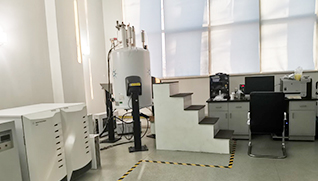
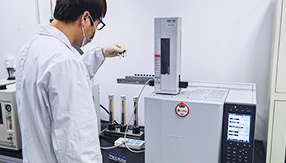


實驗儀器




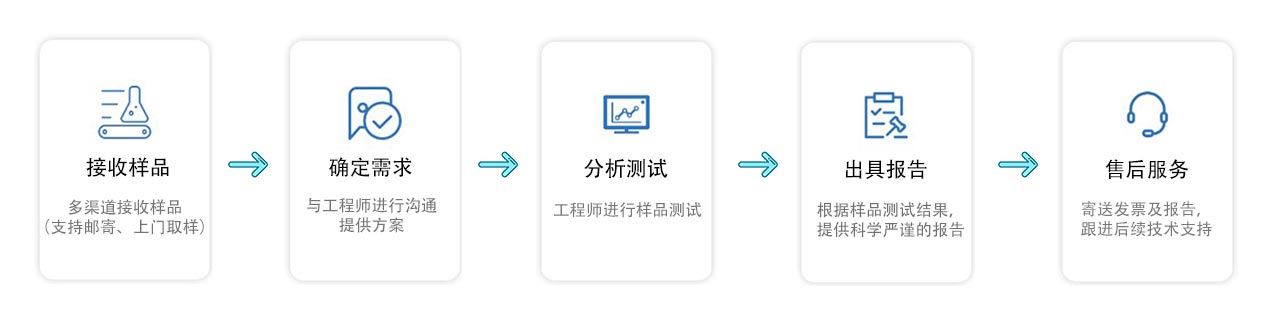
測試流程
注意事項
1.具體的試驗周期以工程師告知的為準。
2.文章中的圖片或者標準以及具體的試驗方案僅供參考,因為每個樣品和項目都有所不同,所以最終以工程師告知的為準。
3.關于(樣品量)的需求,最好是先咨詢我們的工程師確定,避免不必要的樣品損失。
4.加急試驗周期一般是五個工作日左右,部分樣品有所差異
5.如果對于(泛素化蛋白檢測)還有什么疑問,可以咨詢我們的工程師為您一一解答。
- 標稱電壓高于1000V的架空線路 絕緣子檢測閱讀:14
- 頻閃指數檢測閱讀:7
- 防雷檢測檢測閱讀:6
- 污泥糞大腸菌群檢測閱讀:15
- 磁鐵檢測閱讀:21
- 煤礦通信檢測控制用電工電子產品檢測閱讀:5
- 縱向扭曲變形試驗檢測閱讀:4
- 激光產品檢測閱讀:20
- 普通照明用白熾燈測試閱讀:15
- 電動氣力超低量噴霧器檢測閱讀:6
-
服務保障 一對一品質服務
-
定制方案 提供非標定制試驗方案
-
保密協議 簽訂保密協議,嚴格保護客戶隱私
-
全國取樣/寄樣 全國上門取樣/寄樣/現場試驗

